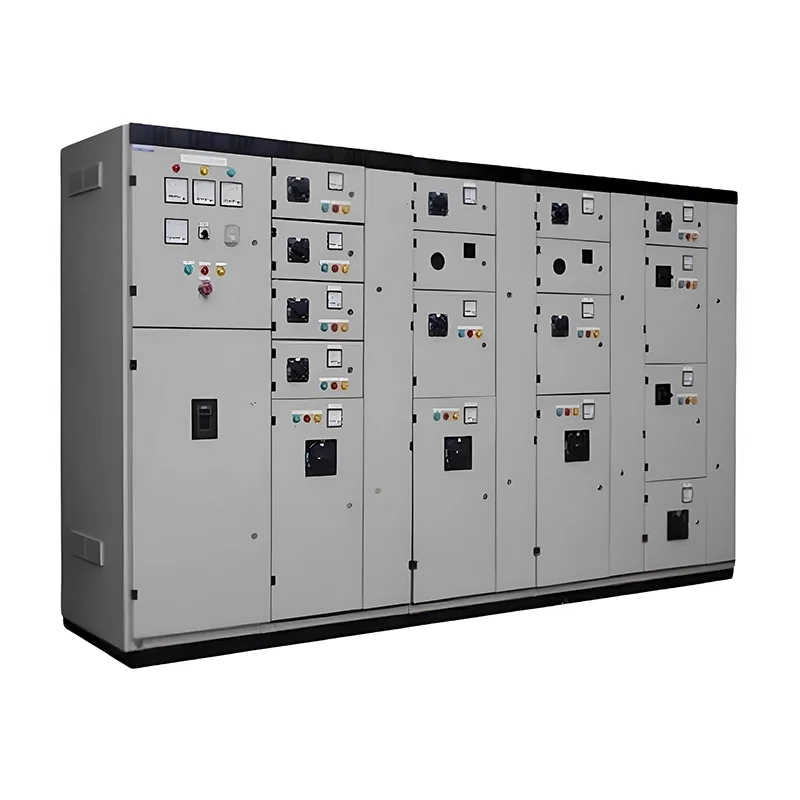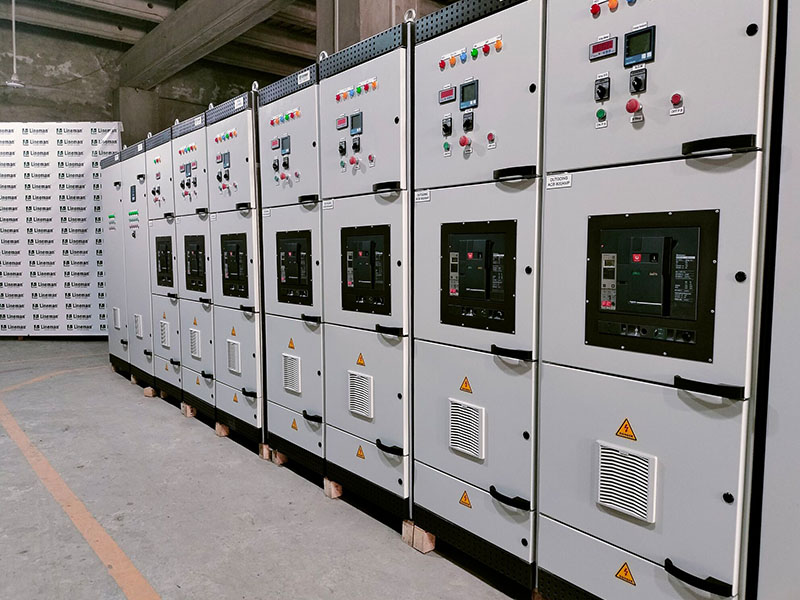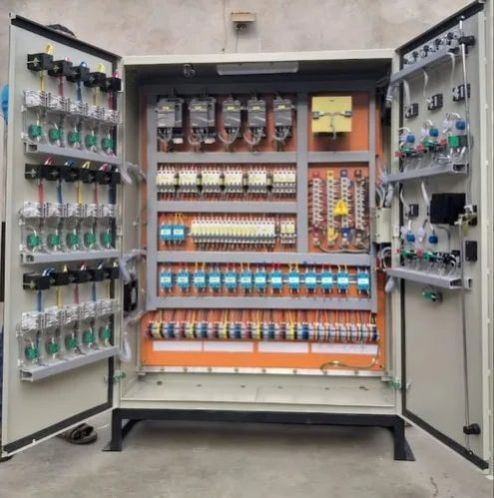
At Suvarnix Technologies, we specialize in custom-designed electrical control panels tailored to your specific process, equipment, and plant requirements. Every industry has unique operational needs — that’s why our engineering team develops custom-built solutions that combine reliability, performance, and safety with ease of integration and future scalability. Our Customized Panels are designed and manufactured as per IEC 61439-1/2, IS/IEC standards, and UL 508A/845 (for export requirements). From single-machine controls to complex plant-wide systems, we deliver panels that truly fit your application — not the other way around.
 Technical Highlights
Parameter
Range / Capability
Rated Voltage
Up to 690 V AC / 110 V DCs
Busbar Capacity
Up to 6300 A
Short Circuit Withstand
Up to 100 kA RMS / 1 sec
Protection Level
IP42 to IP65, NEMA 12, Nema 4X
Material Options
CRCA, SS304, SS316
Paint Finish
Epoxy powder-coated (RAL shades)
Designed & Manufactured in Compliance with
IS/IEC 61439-1/2, UL 508A, CE Mark (optional)
 Types of Customized Panels
Panel Type
Typical Application
Machine Control Panels
OEM machinery, conveyors, mixers, packaging lines
Automation Panels
PLC, HMI, SCADA-based process automation
Synchronizing Panels
DG, transformer, or solar grid synchronization
Power Distribution Panels (PDB)
Plant-level power management and distribution
Feeder Pillars / Lighting Panels
Outdoor or utility power circuits
Heating, Ventilation & HVAC Panels
Intelligent HVAC and BMS control
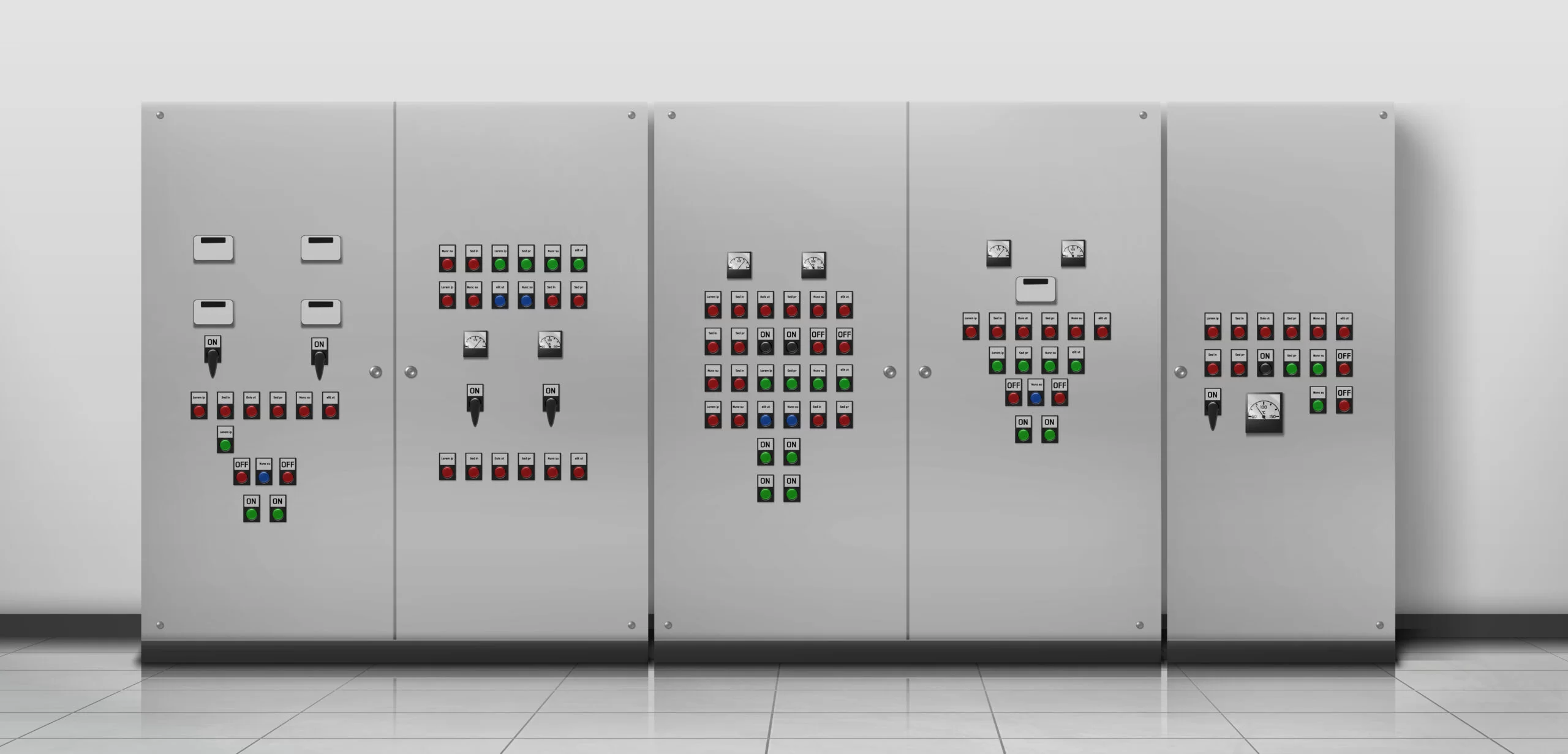
Control Desk / Mimic Panels
Centralized operator interface stations
Testing & R&D Panels
Laboratory, pilot plant, or prototype applications
Renewable Energy Panels
Solar inverter and hybrid control panels
 Why Choose Suvarnix Custom Panels
 Design & Engineering Capabilities
Suvarnix offers full in-house design, drafting, and simulation using industry-standard tools. Our engineers ensure each design meets correct busbar sizing, fault level coordination, component selection as per duty cycle, derating, and environmental factors. Thermal management, ventilation, serviceability, and integration with existing systems are key priorities. We provide 3D layouts, wiring diagrams, and GA drawings for client approval before fabrication — ensuring transparency and zero rework during FAT.
 Explore
Other Products
Explore
Other Products